




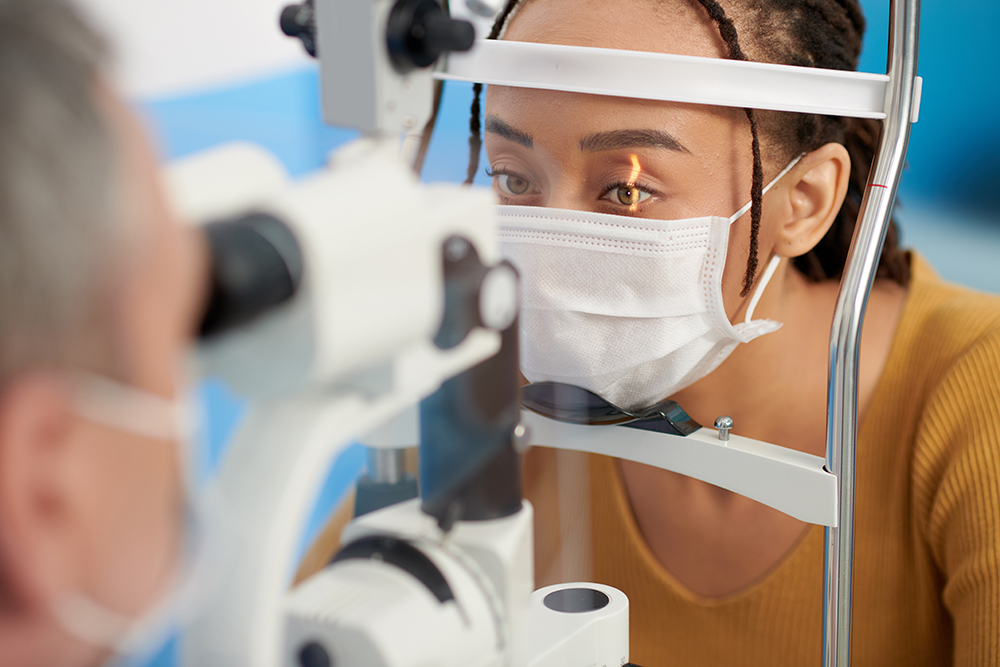
Reaching for your glasses every morning, or feeling dry and tired eyes from contact lenses by the afternoon, leads many people to explore laser refractive surgery. Laser surgery is not just about adjusting your prescription—what matters more is thoroughly evaluating your cornea and fundus first, exploring which options suit you, and getting all your questions answered. At ClearJoy Eye Center, both pre-op evaluations and post-op follow-ups are performed at our clinic, and your doctor will clearly explain your exam data so you can decide with peace of mind.
How Do Laser Refractive Surgery Procedures Work?
The main differences among common laser refractive surgery procedures lie in how the corneal surface is handled and how they match your prescription and visual needs 2:
- SMILE (Small Incision Lenticule Extraction): Uses the ZEISS VisuMax femtosecond laser to shape a thin, lens-shaped piece of tissue (a lenticule) inside the cornea. The tissue is removed through a small incision without creating a corneal flap 1,2. SMILE pro uses the ZEISS VISUMAX 800 system—for details, see SMILE (Small Incision Lenticule Extraction).
- Femtosecond LASIK: A femtosecond laser creates a corneal flap, which is lifted so a laser can reshape the cornea underneath. The flap is then put back in place. Your doctor can assess whether this procedure is suitable for treating your nearsightedness, farsightedness, or astigmatism 2.
- TransPRK (Flapless): Uses a laser to remove the outermost corneal epithelium and reshape the cornea beneath, without creating a corneal flap 4.
- Presbyopia Laser Treatment: If you have trouble seeing up close after age 40, your doctor will consider whether you are nearsighted or farsighted, how well your eyes combine what they see into one image, why you are considering treatment, and whether you have cataracts. You will also try lenses to simulate the effect. For details, see Presbyopia Laser Treatment.
Swipe left or right to view table ↔
| Procedure | What Happens to the Cornea | Commonly Evaluated Corrections |
|---|---|---|
| SMILE (Small Incision Lenticule Extraction) | Flapless; creates a thin lenticule inside the cornea and removes it through a small incision | Myopia, astigmatism (evaluated per approved indications) |
| Femtosecond LASIK | Creates and lifts a corneal flap, reshapes the cornea, and repositions the flap | Myopia, hyperopia, astigmatism (evaluated based on exam) |
| TransPRK (Flapless) | Removes the corneal epithelium and reshapes the cornea with a laser; flapless | Evaluated based on corneal condition and prescription |
Which Procedure Is Right for Me? Deciding Together Based on Your Exam Data
No single procedure is suitable for everyone. During consultations, we mainly discuss small-incision SMILE, with femtosecond LASIK as another option. Your doctor will review your exam results with you and discuss which procedure may suit you.
The evaluation looks at both your exam data and lifestyle—including your prescription, corneal thickness and shape, tear quality, and whether you regularly play contact sports or drive at night 2. Based on the exam results, your doctor will explain whether you are a suitable candidate for surgery and discuss the options to consider along with key points to keep in mind for each.
What Does the Pre-Op Evaluation Include, and How Long Does It Take?
Our equipment helps the doctor examine your cornea and the back of your eye in detail. For a pre-op laser refractive surgery evaluation at our clinic, you should usually allow 1.5 to 2 hours. If you are also being evaluated for presbyopia laser treatment, this time includes trying lenses to simulate the effect.
Common parts of the pre-op evaluation and consultation include:
- Prescription: Checks myopia, hyperopia, astigmatism, and whether your prescription has been stable in recent years 2.
- Corneal thickness and shape: Checks whether the cornea is thick enough and has a regular shape 2.
- Tears and ocular surface: Evaluates dry eye status and stabilizes the ocular surface first if needed 2.
- Exam of the back of the eye: Checks retinal health, which is especially important for patients with high myopia 3.
- Doctor consultation: Your doctor will review your exam findings, explain whether you are a suitable candidate for surgery, and discuss potential procedure options with you.
Please stop wearing contact lenses before your pre-op evaluation so your corneal measurements are accurate: stop wearing soft contact lenses for at least 1 week and rigid contact lenses, including orthokeratology (ortho-k) lenses, for at least 2 weeks. Dilating eye drops are usually used on the day of your evaluation; if that is not convenient, we can schedule the dilated exam for another day. How long and how much your vision blurs after pupil dilation varies by individual, so we recommend having a family member accompany you.
When Might Surgery Not Be Recommended Right Away?
Safety always comes first. If your exam shows any of the following, the doctor will usually recommend holding off:
- Unstable prescription: Noticeable prescription changes within the past year increase the likelihood of further prescription shifts after surgery 2.
- Unsuitable corneal condition: Insufficient thickness, irregular shape, or suspected abnormalities 2.
- Active eye disease or unstable ocular surface: Inflammation, infection, or uncontrolled severe dry eye disease should be treated first 2.
- Cataracts or fundus abnormalities detected: If cataracts or fundus abnormalities are found, your doctor will first identify what is affecting your vision before discussing whether laser refractive surgery is appropriate.
- Current correction already meets your needs: If your glasses meet your daily needs and you have few vision problems, you can keep wearing them and monitor your vision for now.
What to Know Before Surgery and Our Post-Op Follow-Up
Before deciding on surgery, here are a few important things to keep in mind:
- Does not shorten the eyeball: Laser surgery changes the shape of the cornea. It does not shorten the longer axial length associated with high myopia. The risk of retinal problems remains, so you still need regular exams of the back of your eye 3.
- Does not prevent presbyopia: Age-related presbyopia will still develop naturally over time 2.
- Possible post-op symptoms and risks: Dryness, night glare, halos, or residual refractive error may occur after surgery. These symptoms can sometimes persist; your doctor will explain potential risks and management options for each procedure 2.
At ClearJoy Eye Center, preoperative evaluations and postoperative follow-up visits take place at our clinic. Your doctor will explain when to return, which medicines to use, and how to care for your eyes based on your procedure and recovery. Seek medical care immediately and contact our clinic if your vision suddenly worsens, your eye pain gets noticeably worse, or you develop marked eye redness or swelling. If you cannot reach us, go directly to the nearest emergency department.
FAQ
Does laser refractive surgery hurt?
Numbing eye drops are typically applied before surgery. Sensations during and after surgery vary by individual and procedure—some people feel brief pressure or discomfort, and recovery discomfort after surface laser procedures differs from other techniques. If you are concerned about pain, feel free to ask your doctor during your evaluation 2.
Can people with high myopia have laser refractive surgery?
Whether someone with high myopia can have laser refractive surgery depends on their prescription, corneal thickness and shape, and fundus health 2,3. Your doctor will assess whether laser surgery is suitable for you based on your exam results and the approved Chinese-language instructions for the device to be used. If laser surgery is unsuitable, your doctor will explain other vision correction options.
What factors does the doctor evaluate when comparing SMILE and femtosecond LASIK?
SMILE removes a lenticule through a small incision, whereas femtosecond flap LASIK creates a corneal flap 1,2. During your evaluation, your doctor will review your prescription, corneal thickness and shape, tear and ocular surface health, as well as your exercise and visual habits to discuss your options together. For details on the exam items, see the "What Does the Pre-Op Evaluation Include, and How Long Does It Take?" section above.
How soon after surgery can I return to work, wash my hair, and exercise?
Recovery speed varies by procedure and individual factors. During your evaluation, let your doctor know if you need to drive, work shifts, or exercise so we can help plan your recovery timeline. For exact timing on returning to work, washing your hair, wearing makeup, and exercising, please follow your doctor's pre-op and follow-up instructions.
Is it convenient to schedule pre-op evaluations and follow-ups if I live in Pingtung?
ClearJoy Eye Center is located in Zuoying, Kaohsiung, and both pre-op evaluations and post-op follow-ups are performed at our clinic. If you are coming from Pingtung for a pre-op evaluation, we recommend checking our clinic hours in advance and allowing 1.5 to 2 hours for the exam. For directions and visit tips, see our Clinic Visit Guide for Patients Coming from Pingtung.
This article is compiled from international clinical guidelines and research literature for patient education only and does not replace an in-person exam. Surgical suitability and procedure selection should be determined by your doctor's clinical assessment.
You can schedule a pre-op evaluation via our official LINE account or by phone.
References
- Sekundo W, Kunert KS, Blum M. Small incision corneal refractive surgery using the small incision lenticule extraction (SMILE) procedure for the correction of myopia and myopic astigmatism: results of a 6 month prospective study. Br J Ophthalmol. 2011;95(3):335–339. PMID 20601657
- Jacobs DS, et al. Refractive Surgery Preferred Practice Pattern. Ophthalmology. 2023;130(3):P61–P135. PMID 36543604
- Haarman AEG, et al. The Complications of Myopia: A Review and Meta-Analysis. Invest Ophthalmol Vis Sci. 2020;61(4):49. PMID 32347918
- Ang RET. Transepithelial Versus Conventional PRK: A Randomized Controlled Study. Ophthalmol Ther. 2025;14(7):1567–1579. PMID 40445504
Updated: 2026-11-26 | Author: Dr. Chunyu Lin, Director